A practical scope built around your exhibition brief.
- Modular display planning
- Backwalls, counters and product zones
- Branding and graphic integration
- Layouts suited to repeat exhibition use
What we need from you
Booth size, exhibition name, city, event dates, open sides, brand assets and any requirements for storage, meeting rooms, product displays, AV or special finishes.
Modular Exhibition Displays: from brief to execution.
Flexible modular exhibition display solutions for brands that want adaptable layouts and repeat-use presentation.
Discuss This ServiceModular exhibition displays can be useful when a business attends multiple events and wants a system that adapts to different booth footprints. Instead of treating every exhibition as a completely new build, selected display components can form a flexible base that is reconfigured through layout, graphics, counters and accessories.
The best modular solution is still designed around the brand. Reusability should not mean a generic look. Colour, typography, graphics, product presentation and messaging can be planned so the system remains recognisable across different events.
Where modular systems can help
- Different booth sizes across multiple exhibitions
- Businesses that attend recurring trade shows
- Teams that need transport-friendly display elements
- Projects where graphics or messaging may change between events
- Brands that want a repeatable visual framework
Modular does not mean limited
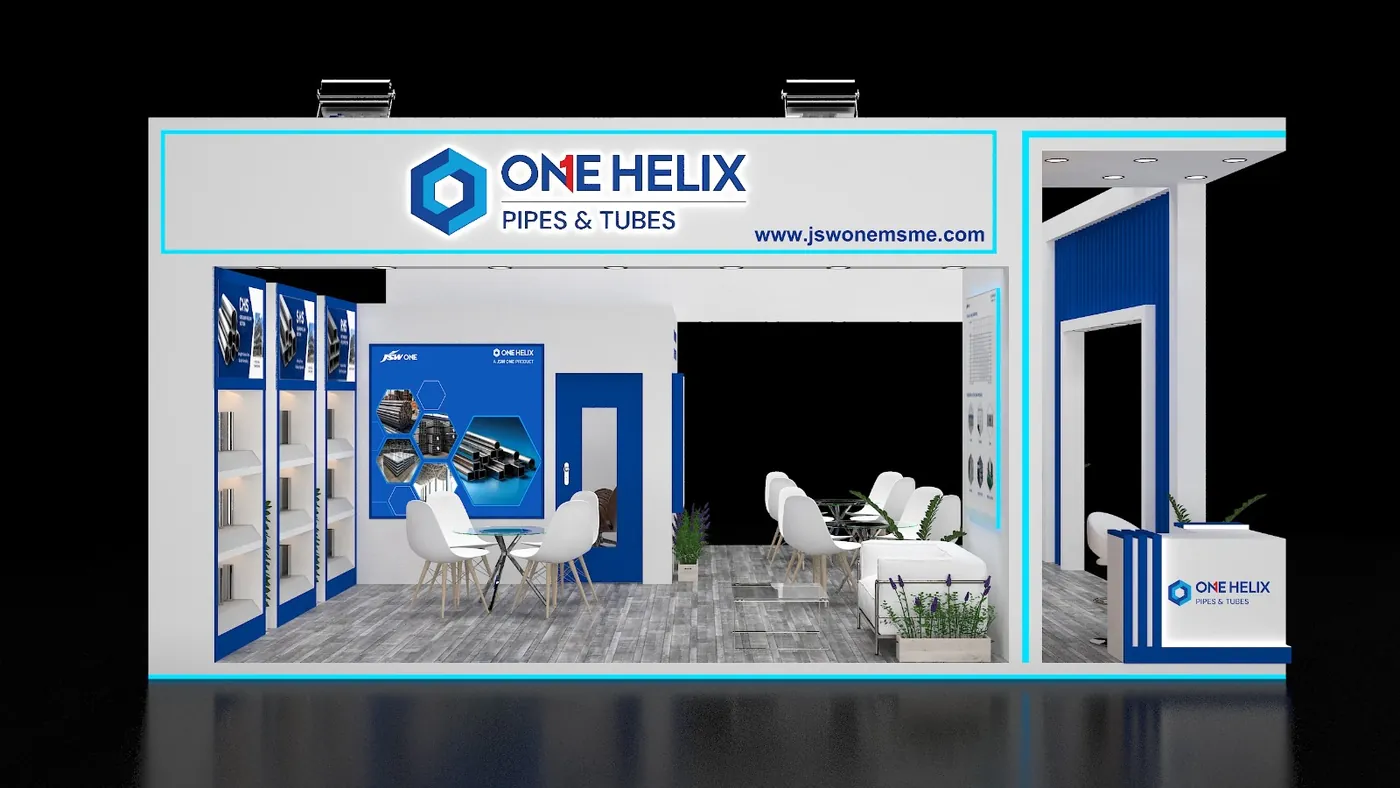
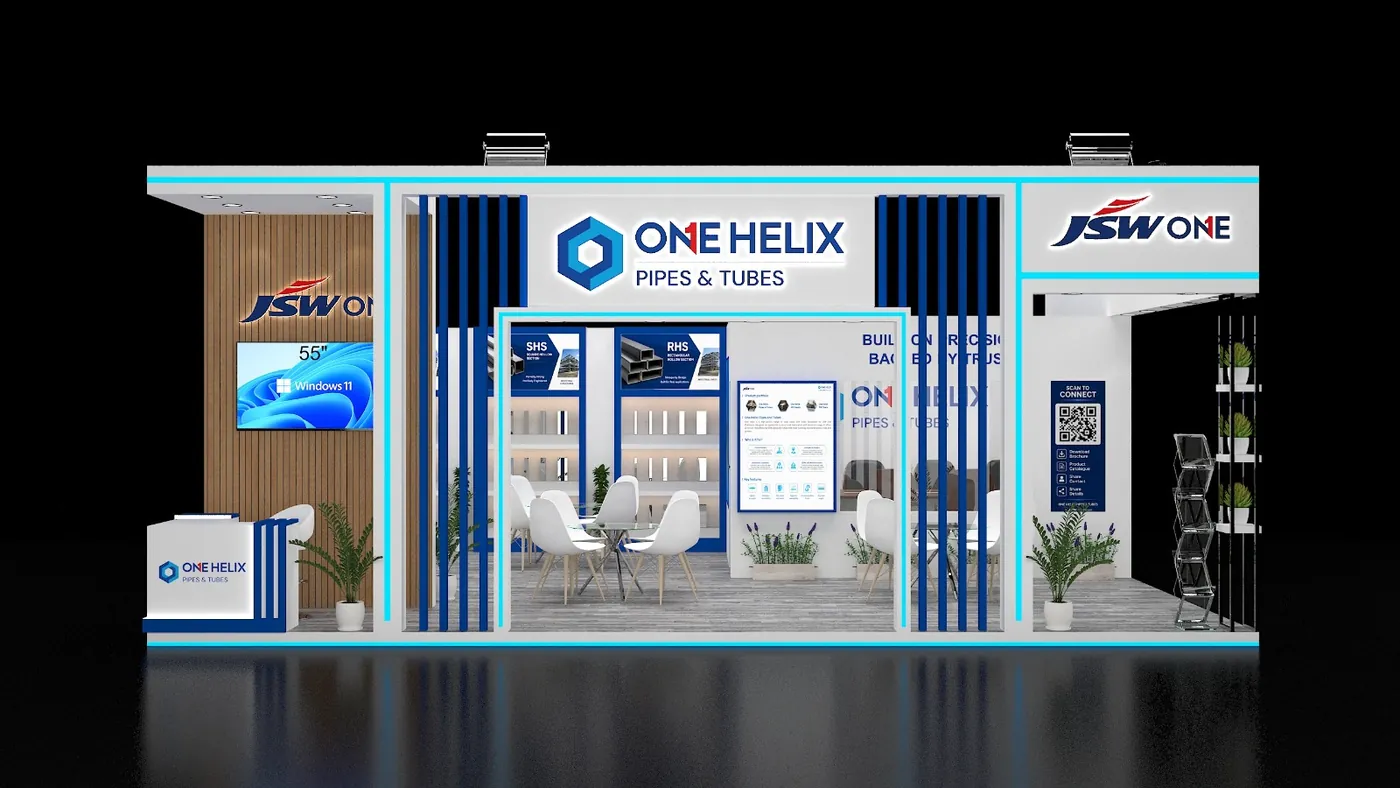
A modular framework can still include feature walls, reception counters, shelving, meeting spaces, branded graphics and lighting. The planning challenge is to understand which elements should remain fixed and which should be configurable for each event.
Designing for repeat use
If the display is intended for more than one exhibition, future booth footprints and messaging changes should be discussed early. That can influence dimensions, graphics strategy, packing, storage and the way individual modules connect together.
Common questions about modular exhibition displays.
Can this service be booked on its own?
Yes, the website is structured so individual service stages can be discussed separately, subject to the project requirements.
What information should I provide first?
Share the event name, city, booth size, dates, what needs to be displayed and the service scope you already have in mind.
Can this be combined with 3D design or installation?
Yes. Related stages can be combined when the project benefits from a connected workflow.
Can you work from an existing design?
When the design is already approved, the project can be scoped around the relevant production or on-site stage, subject to venue and technical details.
Design the system around the exhibitions you actually attend.
A reusable display is most useful when its future configurations are understood before the first build is finalised.
Different footprints
Plan how modules can be arranged for smaller, medium and larger booth allocations where possible.
Changeable graphics
Allow messaging and campaign visuals to change without replacing the entire underlying display framework.
Consistent branding
Keep colour, typography, logo placement and key brand cues recognisable across each configuration.
Storage strategy
Consider how modules, graphics and accessories will be packed and stored between events.
Transport awareness
Reusable components need practical handling and packing considerations, especially when events happen in different cities.
Event flexibility
Use furniture, counters, shelves and feature elements to adjust the visitor experience without rebuilding everything.
Ask what needs to stay constant—and what should change.
A reusable exhibition display should not feel identical in every context if the business itself is changing its message. The brand framework can remain consistent while event-specific messaging, product priorities or graphics are refreshed.
Before choosing a modular approach, list the exhibition calendar and expected booth sizes. This helps identify whether the display needs multiple configurations, whether certain counters or walls should be optional, and whether graphics need a replacement strategy.
When modular may be less suitable
A highly unusual booth shape, large custom feature, extensive hospitality environment or one-off immersive experience may call for more custom fabrication. A hybrid solution can also combine reusable structure with custom event-specific elements.